


Match prey size
Use the feeding guidance for the animal in your care and confirm the actual size stated on the feeder listing.
Live nutrition, organized
Browse feeder insects below and select the size and count that fit your animal. Need help choosing? Use the feeder types and care links.
Shop all feedersLive nutrition for the animals in your care
Choose live feeders by size, feeding style, and how you plan to keep them. Whether you need a convenient meal, a repeatable home culture, or more variety in the rotation, start with the option that fits your animal and your routine.
Choose with confidence
The best choice depends on your animal's size, feeding response, dietary needs, and the amount of care you want to give the feeders before use.
Shop live feeders when you want a straightforward option for near-term feeding. Confirm size and quantity on the individual listing before ordering.
Browse current feedersStarter cultures are for keepers who want to establish an ongoing supply. Each species has its own setup, temperature, and production timeline.
Explore starter culturesMix packs can make it easier to introduce different movement, texture, and feeding experiences without choosing every option separately.
See feeder mix packsA simple buying checklist
A clean holding setup and appropriate food and hydration can make routine care easier.
Shop insect care suppliesTHE KEEPER'S SELECTION DESK
Refine this collection using details listed on each product. Choose a product to see its exact count and details.
Missing details are marked “Not listed.” Feeder size labels follow the listing; check its measurements before ordering. Price and stock filters remain available under Filter & Sort.
Load filters to refine the whole collection.
The royal provision ledger
Compare movement, size choices, and the care needed before feeding. Match the actual prey measurements to your animal’s species and life stage; “small” means different things for different insects.
| Feeder | Size & feeding style | Holding priorities | Explore |
|---|---|---|---|
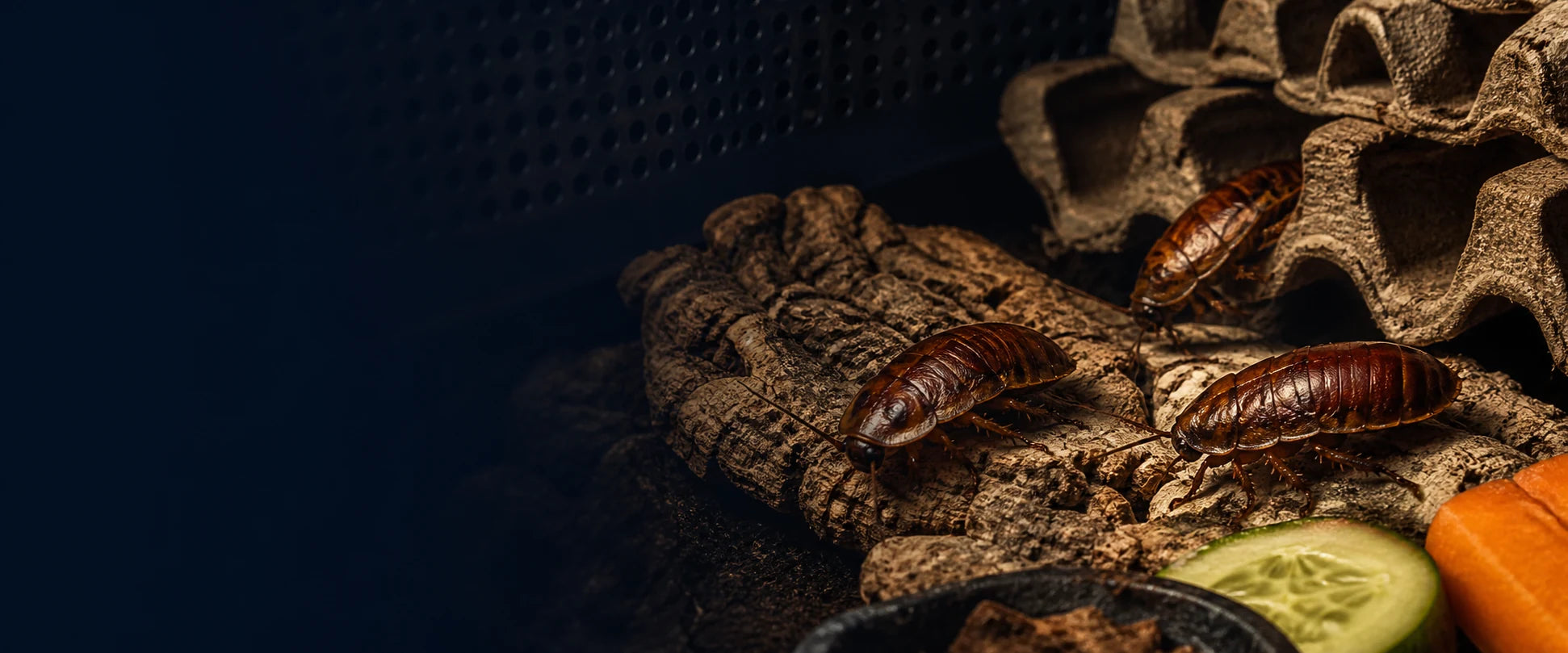
 Dubia roaches | Size & feeding styleNymphs in listed ¼, ½, ¾ and 1-inch sizes, plus adults and colony options. Choose the measured size your animal can handle. | Holding prioritiesA secure, ventilated bin with hiding surfaces, roach food, and a contained moisture source. Remove spoiled food. | View sizes & counts |
 Crickets | Size & feeding stylePinhead through larger sizes. Active, jumping prey: choose by the size on the listing and your animal’s feeding guidance. | Holding prioritiesGood airflow, hiding surfaces, food, and safe hydration. Remove dead insects and uneaten moist food; do not refrigerate. | View sizes & counts |
 Mealworms | Size & feeding styleWriggling larvae in the size offered on each listing. Confirm whether you are ordering feeding larvae or a culture stage. | Holding prioritiesVentilated housing with bran or oats and controlled moisture. Follow the specific pack’s cool-storage directions. | View sizes & counts |
 Superworms | Size & feeding styleLarger, active larvae. Check the actual size for your animal; a higher count does not mean a smaller worm. | Holding prioritiesVentilated grain bedding with a moisture source. Keep at room temperature; do not refrigerate like mealworms. | View sizes & counts |
 Hornworms | Size & feeding styleSoft-bodied larvae that grow quickly. Check the listed size and plan when you will feed them. | Holding prioritiesKeep access to suitable hornworm food, ventilate the cup, and remove waste regularly. Check size as they grow. | View sizes & counts |
 Fruit fly cultures | Size & feeding styleTiny adult prey for suitably small hunters. Check the fly species and whether the culture is newly started or producing. | Holding prioritiesMaintain the culture medium and ventilated lid; avoid heat and drying out. A fresh culture may not produce immediately. | View sizes & counts |
Planning a colony? A starter culture may need time to produce. Check the listing’s contents and life stage before relying on it for the next meal.
Shop by feeder family
Use feeder family as a first filter. Then choose the count and size from the individual listing that fits your animal and feeding plan.
Multiple nymph sizes, adults, and colony-starting options.
Browse Dubia
Fast-moving roaches offered across feeder and culture formats.
Browse Red Runners
Pinhead through large sizes for active feeding response.
Browse Crickets
Convenient larvae in multiple sizes plus culture stages.
Browse Mealworms
Larger, active larvae for appropriately sized animals.
Browse Superworms
Soft-bodied larvae best used as one part of a planned rotation.
Browse Waxworms
High-moisture feeders sold in feeder and grow-cup formats.
Browse Hornworms
Soft-bodied feeders with size-specific listings and chow.
Browse Silkworms
Larvae offered in several sizes for suitable insectivores.
Browse BSFL
Small live prey and producing cultures for tiny hunters.
Browse Fruit Flies
Build a repeatable supply with beetles, flies, and roach cultures.
Shop Cultures
Prebuilt variety for keepers planning a broader rotation.
Shop Mix PacksChoose with purpose
Use the feeding guidance for the animal in your care and confirm the actual size stated on the feeder listing.
Fast runners, climbing prey, worms, and flying cultures trigger different feeding responses and require different containment.
Combine appropriate feeder types over time instead of relying on one option for every meal.
Decide whether you want short-term feeders, a producing culture, or a colony that needs ongoing food, water, and housing.
Before they become a meal
Follow the product's storage or culture directions. Provide the correct enclosure, ventilation, food, and moisture source, remove spoiled material, and avoid mixing batches when it makes monitoring difficult.
Feeder room answers
Use these principles as a starting point, then follow the animal's care guidance and the individual feeder listing.
Start with an appropriate prey size, then consider movement, containment, storage, and dietary rotation. There is no single best feeder for every animal or life stage.
Many can be maintained for a period, while some can be cultured long term. The housing, food, temperature, and moisture needs differ, so use the directions on the selected listing.
Feeders should be maintained on an appropriate diet before use. Follow qualified care guidance for the animal you feed and the husbandry directions for the feeder species.
A planned rotation can provide different sizes, movement patterns, and nutritional profiles while reducing dependence on one feeder type.
Estimate how quickly the animals in your care will use the feeders and how long you can maintain them well. Choose a manageable count instead of over-ordering.
Feeder insect questions
Begin with the dietary guidance for the animal in your care, then compare feeder size, movement, shell or body type, and maintenance needs. The individual product listing is the final source for the size and format offered.
Not necessarily. A starter culture is intended to establish and reproduce. Production time varies by species and conditions, so review the product description and plan a separate near-term food source when needed.
Prepare a suitable holding container with ventilation and any species-appropriate food, hydration, and environmental needs. Review the shipping and product instructions before delivery.
Many keepers use variety as part of a broader feeding plan. Suitability and serving frequency depend on the animal, so follow species-appropriate nutritional guidance.
Build the whole routine
Shop the live selection, then add the supplies and guidance that make ongoing care easier.


